

You typed “flakey” into a text, then paused. Something felt off.Was that even a real word? Should it have been “flaky” instead?
You’re not alone in this. It’s one of those small spelling questions that trips up even confident writers, and honestly, both versions look right the longer you stare at them.
Quick Answer
Flaky is the correct spelling. It’s the standard spelling you’ll find in every major dictionary, and it’s the one accepted in American English as well as British usage.
Flakey is a variant spelling. It shows up online now and then, but it’s not the version editors, spell-checkers, or style guides recognize as standard.
Is It Flaky or Flakey Salt?

Flaky sea salt is the phrase you want, not “flakey salt.” Chefs and recipe writers stick with flaky because it follows the accepted spelling used across cookbooks and food packaging.
Think of brands like Maldon. Their flaky salt crystals crumble into thin, delicate layers the moment they hit your tongue, and every label spells it the same way.
What Does Being Flakey Mean?

“Flakey” carries the exact same meaning as “flaky.” People use it to describe someone unreliable, someone who cancels plans or forgets commitments.
It’s simply the less common way to write it. The meaning doesn’t shift, only the spelling does, and that’s exactly why the confusion sticks around.
What Does “Flakey” Mean in Urban Dictionary?
On slang sites, “flakey” usually gets defined the same way as “flaky.” It points to a flaky friend who bails at the last minute or someone whose word you can’t quite trust.
Urban Dictionary entries lean informal and casual, so spelling rules loosen up there. That’s part of why “flakey” feels more common online than it actually is in edited writing.
What Do You Call a Flaky Person?
You’d call them flaky, plain and simple. Someone who makes last-minute cancellations, breaks promises, or shows a pattern of unreliable behavior earns that label pretty fast.
It’s mild criticism, not a harsh insult. You might say, “He’s a bit flaky with weekend plans,” and everyone gets the picture instantly.
Why People Confuse Them
Words that end in a silent e followed by -y confuse plenty of writers. “Flake” drops its final e and adds y, giving you “flaky,” but plenty of similar-sounding words seem to keep an extra letter somewhere.
Add in autocorrect quirks, regional habits, and years of seeing both spellings floating around social media, and the mix-up makes total sense. Your eyes just get used to seeing both.
Key Differences At A Glance
| Feature | Flaky | Flakey |
| Status | Standard, correct | Variant, informal |
| Dictionary recognition | Yes, widely listed | Rare or absent |
| Best for | All writing | Casual texts only |
| Pronunciation | FLAY kee | FLAY kee |
| Meaning | Same | Same |
Meaning And Usage Difference
What Does Flaky Mean?
Flaky describes anything that breaks into thin pieces or small flakes, or it describes a person who’s inconsistent and hard to count on. One word, two closely related lanes.
What Does Flakey Mean?
Flakey means the exact same thing. It’s not a separate word with its own definition, just an alternate spelling that hasn’t earned dictionary status.
Flaky For Food And Texture
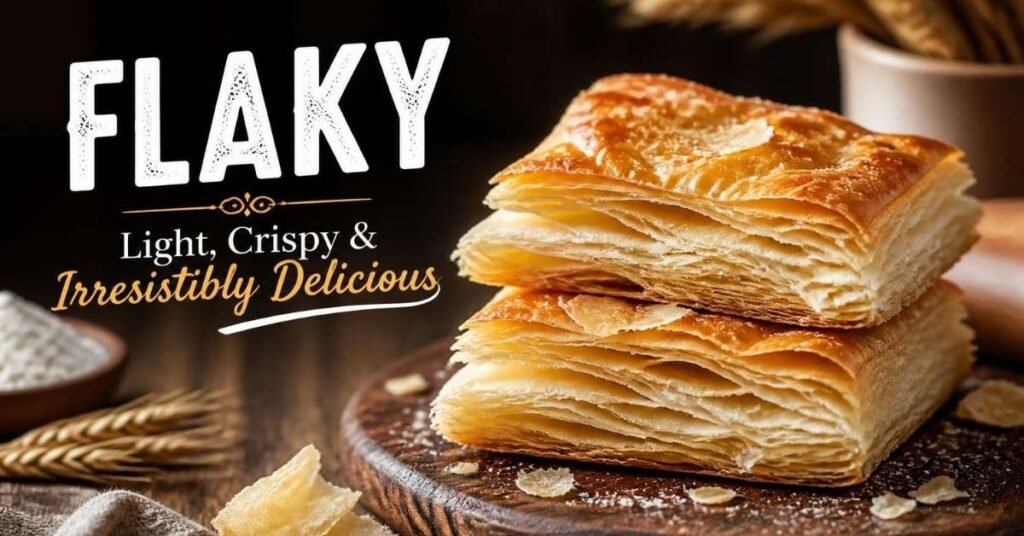
Think flaky pastry, flaky crust, or a warm croissant pulling apart in light layers. That crisp, buttery snap happens because thin sheets of dough separate as they bake.
Flaky fish like salmon works the same way. Cook it right, and the flesh separates into tender sections with a fork.
Flaky For Skin, Paint, And Surfaces
Flaky skin happens when dry patches lift and peel, often needing a good moisturizer to calm down. A flaky scalp follows the same pattern, just higher up.
Flaky paint peels away from a wall surface over time, especially on old trim or outdoor fences. The surface coating cracks, then lifts, then falls off in chips.
Flaky For An Unreliable Person
Here’s where the word gets a little judgmental. A flaky friend cancels often, shows up late, or promises things they never follow through on.
It’s not usually meant as cruel. It’s more of a shorthand for a pattern people notice over time.
Flaky For Technology And Equipment
Flaky software crashes for no clear reason. A flaky internet connection drops mid call, and a flaky sensor gives readings you can’t trust.
This use has grown fast among developers and IT folks. It’s become the go-to word for anything that works, then doesn’t, then works again.
Flaky For Ideas Or Explanations
An argument built on weak explanation or odd ideas can get called flaky too. It sounds thin, unconvincing, like it might fall apart under one good question.
Tone, Context, And Formality
Flaky fits almost anywhere, from a workplace communication to a recipe blog to a casual text. Flakey leans strictly informal, and most professional writing avoids it entirely.
If you’re drafting anything that’ll get edited, published, or read by a boss, go with flaky. Save “flakey” for texts to friends, if you use it at all.
Which One Should You Use?
Use flaky. Every time.
It’s the version spell-checkers accept, the version editors expect, and the version that won’t raise eyebrows in a résumé, article, or email.
When One Choice Sounds Wrong
Flakey In Formal Writing
Drop “flakey” from anything meant for published writing or business use. It reads as a typo to most readers, even though it isn’t technically banned anywhere.
Using Flaky As A Medical Diagnosis
Skin peeling could point to a real skin condition, not just everyday dryness. If flaky skin sticks around, a dermatologist can rule out anything more serious.
Calling Someone Flaky After One Mistake
One missed hangout doesn’t make someone flaky. That label fits a pattern, a habit, not a single slip that could happen to anyone.
Using Flaky For Something Completely Broken
If your laptop won’t turn on at all, that’s broken, not flaky. Flaky implies something that sometimes works, which is a different problem entirely.
Common Mistakes And Quick Fixes
Keeping The E Before Y
Writers sometimes keep the e from “flake” and tack on y anyway, landing on “flakey.” Drop that e. Flake plus y becomes flaky, the same spelling pattern you see in ice to icy or spice to spicy.
Writing Flakeyness
The correct noun is flakiness, not “flakeyness.” Swap that y for an i before adding ness, and you’re set.
Writing More Flaky
Skip “more flaky.” The proper comparative form is flakier, one clean word instead of two.
Writing Flakyest
The superlative form is flakiest, not “flakyest.” That y turns into an i again before you add est.
Confusing Flaky With Flake
Flake is the noun or verb, describing a single piece or the act of flaking off. Flaky is the adjective describing something made up of those pieces.
Confusing Flaky With Flaky-Looking
“Flaky-looking” suggests appearance only, without confirming the texture is actually falling apart. Plain flaky usually means it’s genuinely peeling or crumbling, not just resembling that.
Everyday Examples
Examples With Physical Flaky Texture
- The pie crust turned out perfectly flaky after chilling the dough.
- Her lips felt dry and flaky in the cold winter air.
- The old barn’s paint looked flaky and cracked near the roofline.
Examples With Unreliable Behavior
- He’s always been flaky about weekend plans, so we stopped counting on him.
- Don’t be surprised if she cancels again. She’s kind of flaky that way.
- Their customer service has gotten flaky, replying some days and ignoring others.
Examples With Technology
- My internet’s been flaky since the storm knocked out a nearby line.
- The app keeps crashing. It’s honestly pretty flaky on older phones.
- That sensor gives flaky readings whenever the temperature drops.
Examples Comparing Both Spellings
“His attendance record is flaky” reads as correct and clean. “His attendance record is flakey” would make most editors pause and fix it on sight.
Dictionary-Style Word Details
Verb
“Flake” works as a verb, as in paint starting to flake off a wall. Flaky itself stays an adjective, not a verb.
Noun
The noun form is flake, a single thin piece, or flakiness, the overall quality of being flaky.
Adjective
Flaky is the adjective form, describing texture, reliability, or performance depending on context.
Synonyms
For texture: crumbly, layered, brittle, scaly. For behavior: unreliable, inconsistent, undependable, erratic, unpredictable.
Example Sentences
“The fish flaked apart easily once it hit the right temperature.” “I can’t rely on him. He’s too flaky with deadlines.”
Word History
Flake traces back to old Germanic roots tied to thin layers or fragments. The -y suffix turned it into an adjective centuries ago, the same word formation pattern behind icy, spicy, and shiny.
Phrases Containing
Common phrases include flaky pastry, flaky crust, flaky excuse, flaky plan, and flaky performance. Each one leans on the same core meaning, just applied to a different situation.
How To Remember Flaky vs Flakey
Picture “flake” losing its e the same way “ice” loses its e in “icy.” Grease becomes greasy, taste becomes tasty, and flake becomes flaky.
If you can remember that one pattern, you’ll never second-guess this spelling again.
Conclusion
Flaky is the spelling you want, whether you’re describing a flaky crust, a flaky friend, or a flaky Wi-Fi connection. “Flakey” isn’t wrong exactly, just outdated and informal enough that most readers will flag it.
Stick with flaky, and you’ll match what dictionaries, editors, and search engines all expect. Got a spelling mix-up you keep running into? Drop it in the comments, and we’ll break it down next.
FAQs
Which is correct, flaky or flakey?
Flaky is correct. It’s the standard spelling recognized everywhere, while flakey stays a rare, informal variant.
Is flakey a misspelling?
Not exactly a misspelling, more of an outdated or nonstandard version. Most style guides and dictionaries still favor flaky.
Is flakey the British spelling?
No. There’s no British American difference here. Both regions use flaky as the standard form.
What does flaky mean when describing a person?
It describes someone unreliable, someone who cancels plans or breaks commitments without much warning.
What does flaky mean in technology?
It describes software, hardware, or connections that work inconsistently, failing sometimes and functioning fine other times.
What does flaky mean in food?
It describes food that separates into thin, delicate layers, like a flaky pie crust or flaky salmon.

Arthur Whitmore is a passionate grammar enthusiast and language writer at Hexobrust.com. He creates clear, helpful content on grammar, spelling, and everyday English to make learning simple and enjoyable.
